
Shoulder Pain Treatment in Grand Rapids
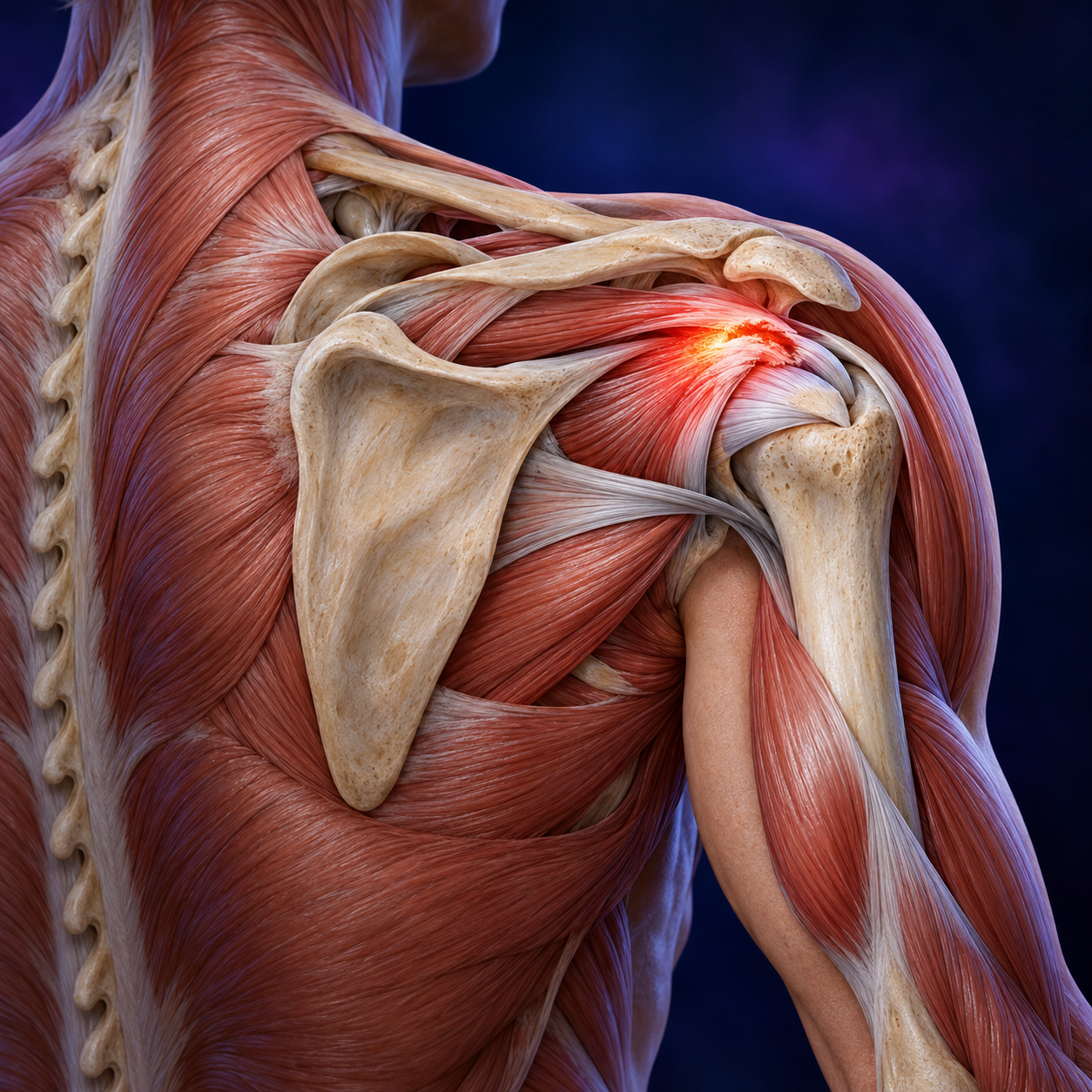 Reaching for a top shelf, pulling on a coat, or sleeping on your side shouldn’t hurt. When your shoulder starts catching, aching, or losing range, it changes how you work, sleep, and get through the day. We look for the cause of the problem instead of just covering up the symptoms.
Why Shoulders Get Hurt So Easily
The shoulder moves more than any other joint in the body. That freedom comes from a shallow ball-and-socket joint held in place mostly by muscles and tendons, especially the rotator cuff. When the shoulder blade, upper back, or neck stops moving well, those small muscles take on extra load. Over time that can lead to irritation, pinching, and pain.
Common Causes of Shoulder Pain
- Rotator cuff strain or tendinitis: often from overhead work, lifting, or a sudden pull
- Impingement and bursitis: a pinching pain when you raise your arm out to the side or overhead
- Frozen shoulder: a slow build of stiffness until the arm won’t lift in any direction
- Pain referred from the neck: irritated nerves in the neck can be felt in the shoulder and shoulder blade. See our neck pain and arm & hand numbness pages.
- Posture and repetitive strain: rounded shoulders from desk work and phones, or the same motion over and over on the job
- Seasonal strain: shoveling snow, splitting wood, dragging a deer, or the first round of golf in spring
Where Does It Hurt?
Where you feel the pain gives us clues about what may be involved:
| Where you feel it | What may be involved |
|---|---|
| Outer shoulder, worse lifting the arm out to the side | Rotator cuff, bursitis, impingement |
| Front of the shoulder | Biceps tendon, front of the rotator cuff |
| Top of the shoulder | AC joint (where the collarbone meets the shoulder) |
| Shoulder blade, or pain that travels down the arm | Neck or upper back |
| Stiff in every direction, not just painful | Frozen shoulder |
This is a general guide, not a diagnosis. Patterns overlap, and an exam is what sorts it out.
How We Find the Source
We start with your history: how it started, what movements hurt, and how it’s affecting work and sleep. Then we check your range of motion and strength, test the rotator cuff and shoulder joint, and look at how your neck, upper back, and shoulder blade are moving. When indicated, we take X-rays in our office. If we suspect a tear or something that needs an MRI or a specialist, we’ll tell you and help you get there.
How Chiropractic Care May Help
When the shoulder joint, shoulder blade, or upper back isn’t moving well, an appropriate adjustment may help restore motion and take stress off irritated tissues. Many shoulder problems respond to conservative care without medication or injections. Depending on what we find, your plan may include:
- Adjustments to the shoulder, neck, and upper back
- Graston Technique and Active Release Techniques for tight or scarred muscles and tendons
- Massage therapy for the shoulder, neck, and upper back
- Simple strengthening and mobility exercises for home
- Posture, workstation, and sleep-position changes
When to Get Emergency Care
Call 911 or go to the ER right away if shoulder or arm pain comes with chest pain or pressure, shortness of breath, sweating, or nausea. Also get urgent care for a shoulder that looks deformed after a fall, sudden inability to lift the arm after an injury, or a hot, swollen shoulder with fever.
Frequently Asked Questions
Do chiropractors treat shoulders, or just backs?
We treat shoulders all the time. Adjustments, soft tissue work, and exercises can be used on the shoulder itself, along with the neck and upper back that support it.
Could my shoulder pain be coming from my neck?
Yes. Irritated nerves in the neck often cause pain over the shoulder blade or top of the shoulder. If shoulder movements don’t change your pain much but neck movements do, the neck may be involved. Our exam checks both.
Do I need an MRI first?
Usually not. Most shoulder problems can be evaluated with a hands-on exam, and X-rays can be taken in our office when needed. If your exam points to a tear or something more serious, we’ll refer you for an MRI or to a specialist.
How long until my shoulder feels better?
It depends on the cause and how long it’s been going on. Strains and impingement often improve within a few weeks of care. Frozen shoulder takes longer. We’ll give you a realistic timeline after your exam.
Do I need a referral?
No. You can see a chiropractor in Minnesota without a referral. Some insurance plans have their own rules, and our front desk can help you check your benefits.
Get Your Reach Back
If reaching, lifting, or sleeping has become uncomfortable, Davis Chiropractic Health & Wellness, P.A. can help you find out why and get you moving freely again. Reach out to our practice today to schedule your evaluation.
